
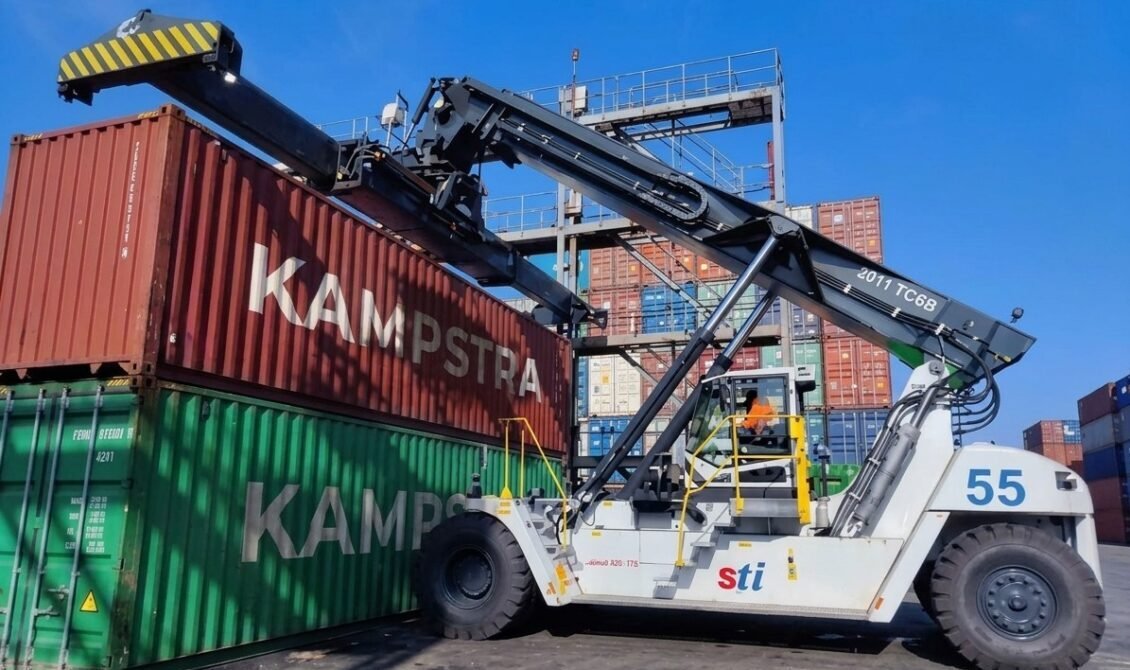
When do you need to use international shipping containers? All the time. Anytime any package or product needs to leave the US, you need international shipping. As an experience international shipping company, we know the logistics involved.
Shipping containers are standardized, reusable boxes used to transport goods by sea, rail, or road. They make international trade efficient by providing a uniform method for handling cargo.
- Standard Container Sizes
- 20-foot Container:
- Dimensions: Approximately 20 feet long x 8 feet wide x 8.5 feet high (6.1 meters x 2.44 meters x 2.59 meters).
- Volume: Around 33 cubic meters (1,172 cubic feet).
- Typical Capacity: About 25-28 metric tons of cargo.
- 40-foot Container:
- Dimensions: Approximately 40 feet long x 8 feet wide x 8.5 feet high (12.2 meters x 2.44 meters x 2.59 meters).
- Volume: Around 67 cubic meters (2,367 cubic feet).
- Typical Capacity: About 25-30 metric tons of cargo.
- 40-foot High Cube Container:
- Dimensions: Similar length and width as a standard 40-foot container but 9.5 feet high (2.89 meters).
- Volume: Slightly more than a standard 40-foot container.
- Typical Capacity: Similar weight capacity as a 40-foot container but with additional height for more cargo space.
- Types of Shipping Containers
- Standard Dry Containers:
- The most common type, used for general cargo.
- Refrigerated Containers (Reefers):
- Equipped with refrigeration units for transporting perishable goods.
- Open Top Containers:
- Designed with a removable top, suitable for cargo that needs to be loaded from above.
- Flat Rack Containers:
- Ideal for bulky items or oversized cargo that doesn’t fit into standard containers.
- Tank Containers:
- Used for transporting liquids, gases, and chemicals.
- High Cube Containers:
- Similar to standard containers but with extra height for more volume.
- Container Specifications
- Material: Typically made of steel or aluminum.
- Weight Limit: Maximum gross weight usually around 30-32 metric tons.
- Tare Weight: Weight of the empty container, usually 2.2-4.3 metric tons depending on the size and type.
- Loading and Unloading
- Loading: Ensure cargo is properly secured and distributed evenly to avoid shifting during transit. Use dunnage and securing straps as needed.
- Unloading: Follow safety protocols and use appropriate equipment for handling containers.
- International Shipping Considerations
- Customs Regulations: Different countries have varying customs regulations and import/export restrictions. Make sure to comply with all local laws and documentation requirements.
- Insurance: Consider cargo insurance to protect against loss, damage, or theft.
- Handling Fees: Be aware of additional fees for handling, unloading, or storage.
- Container Maintenance and Care
- Inspection: Regularly inspect containers for damage or wear and tear.
- Cleaning: Keep containers clean and free of contaminants, especially if transporting food-grade or sensitive items.
- Best Practices
- Documentation: Always keep accurate and complete shipping documentation, including bills of lading, customs declarations, and cargo manifests.
- Tracking: Utilize tracking systems to monitor the status of your shipments.
- Sustainability: Consider eco-friendly practices, such as recycling containers or opting for greener shipping methods.
Shipping containers are a crucial component of global trade, and understanding their types, uses, and handling procedures can greatly impact the efficiency and success of international shipping operations.